PDFs, Photos, Media

Another effort of peer review recently completed. #eDNA is a fascinating approach to ecological and species oriented management and research.
It’s nice to get recognition for peer-review. #fish #fisheries #science #biology Every journal should do this in my humble opinion.
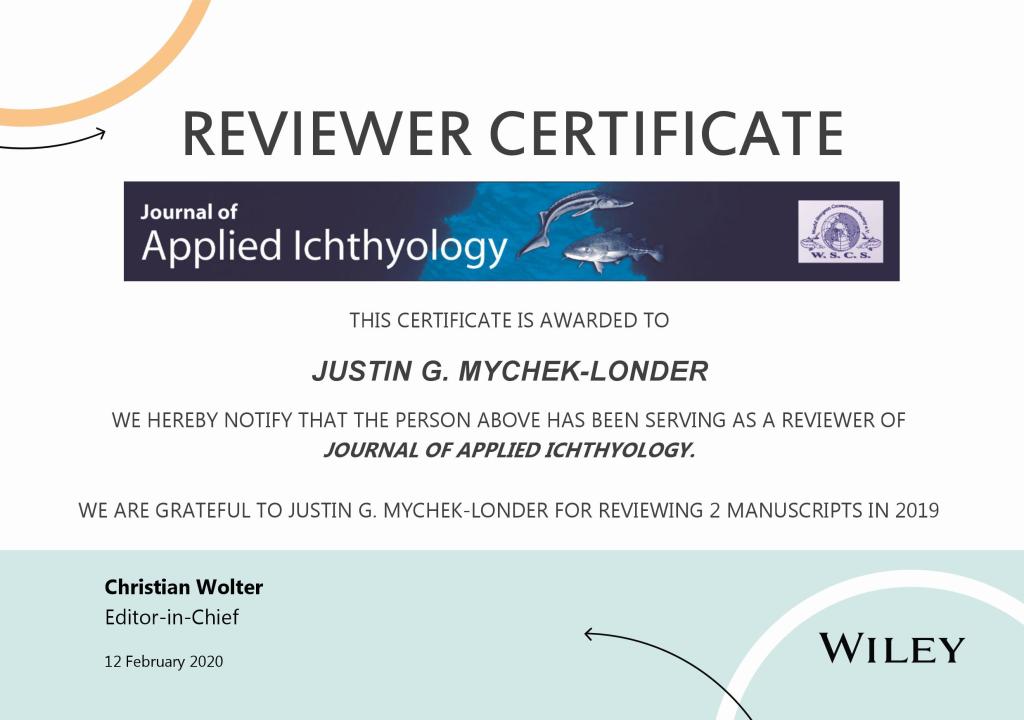
Got this certificate of appreciation for peer reviewing scientific articles submitted to the Journal of #Ichthyology in today. Neat. #fish #science #peer #review #aquatics #water #science

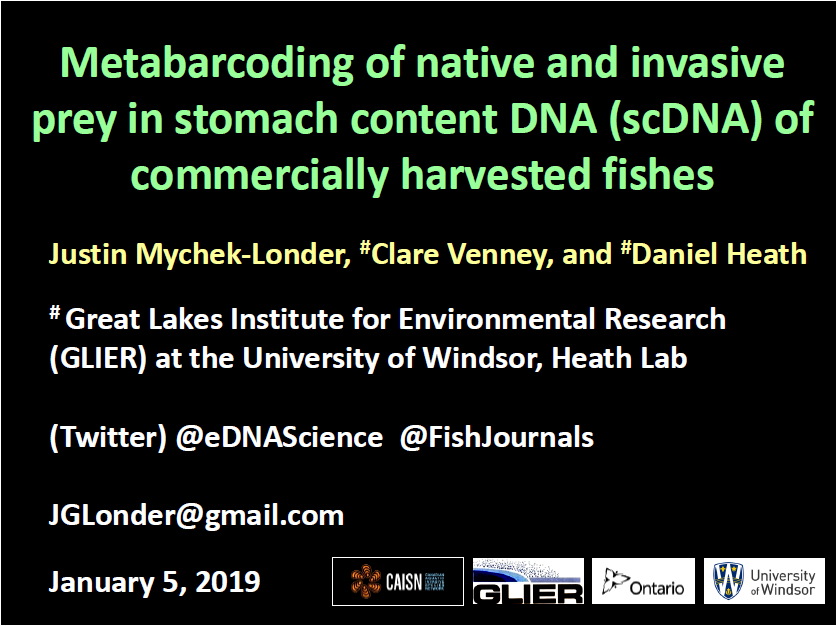
Download my presentation from The Canadian Conference for Fisheries Research on Lake Erie scDNA from link below

JGML_etal_2019_LErie_CCFFR.pdf

Download my presentation from The PISCES Research Conference on eDNA in Ontario Rivers from link below JGML_etal_2018_eDNA_Rivers.pdf

Temperature and light cycle controlled growth chambers at the Great Lakes Institute for Environmental Research, University of Windsor, Ontario, Canada. Collaborators and myself set up the tanks seen to do RNA and DNA experiments with inverebrate crustacean waterfleas Daphnia pulex, Daphnia pulicaria, and pond snails snails Lymnea stagnalis.
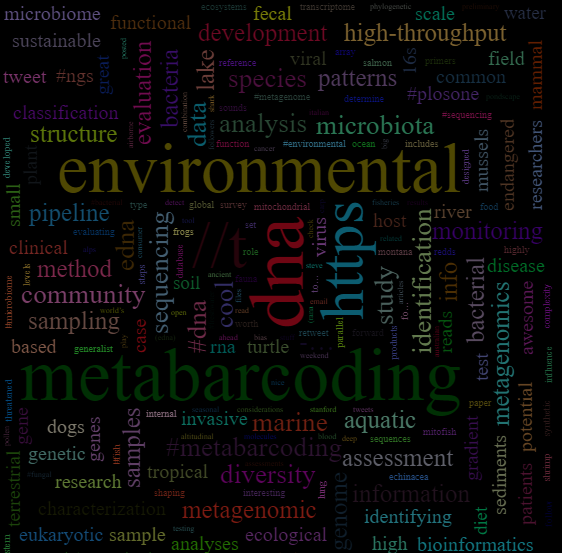
Cool wordmap from the @eDNAScience Twitter account I created and admin!
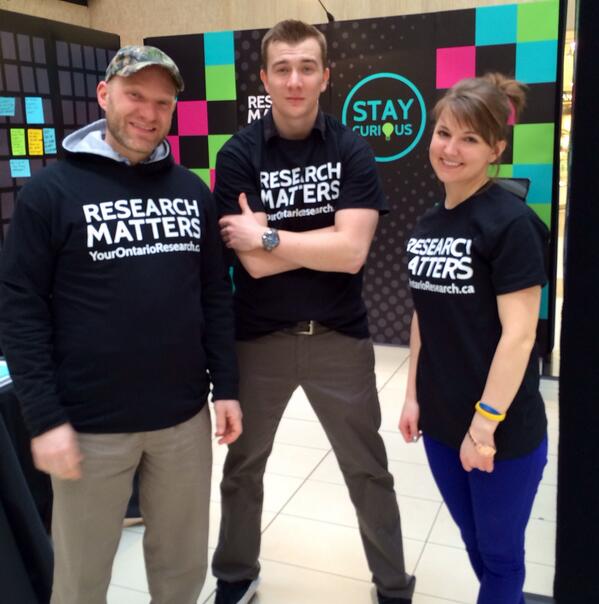
A really fun volunteer opportunity. We set up in Windsor’s largest shopping mall. People stopped in and asked us all kinds of Science questions. Had a great time with my two friends here and got some great questions from the public who were very engaging!
40X Magnification of a larval slimy sculpin (Cottus cognatus) otolith (ear bone). Like the rings on a tree, for this year of young fish, one can actually count the daily growth rings! I was caring for adult slimy sculpin in the lab, they spawned, and I was able to hatch the larval slimy sculpin! Since I knew the number of days since hatching, I can compare the number of rings that can be counted against the known number of days since the fish hatched in the lab. This helps better understand little known aspects of early life history and improve growth models for this little studied but ecologically important species!
I presented this poster on my PhD research for (environmental DNA) eDNA at the Lake Erie Millennium Research Network. I used this approach to better understand the distributions and roles of rare endangered native and invasive aquatic species. Great conference!
I love being on the water, and fishing. So peaceful on breezy clam summer day. A few largemouth bass took the bait that day! This was in Ann Arbor, Michigan.
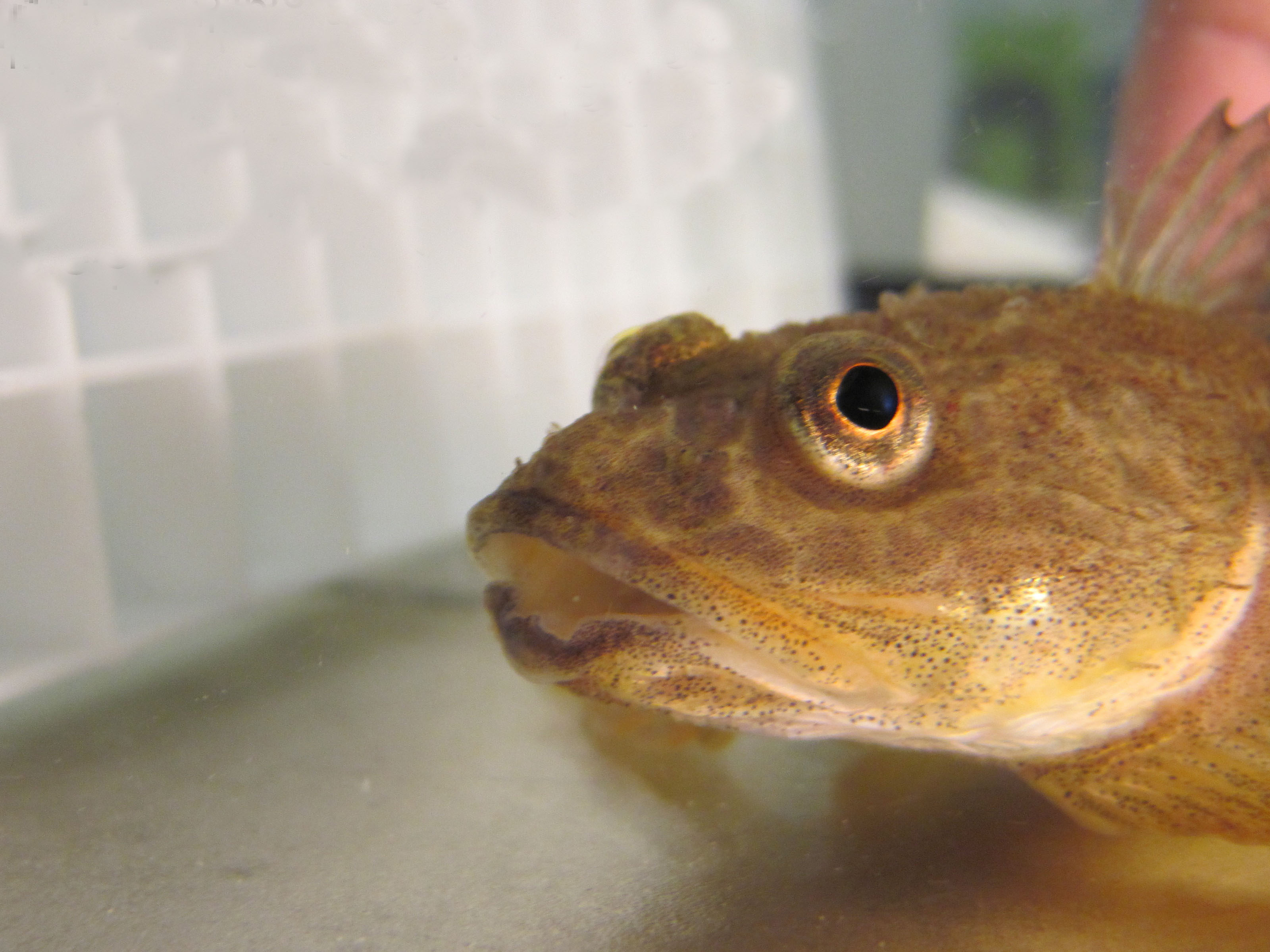
A photo of a deepwater sculpin (Myoxocephalus thompsonii) collected from ~100 m depth in a benthic trawl out of Lake Michigan. We brought fish to the lab, where I got this photo. The size of the pectoral fin speaks to the fact this fish does not have a swim bladder, and is very much a benthic oriented species. This specimen would have been around 120 mm in total length or so. Amazing species in my top ten favorite fishes of all time (rights reserved).
Closeup of a Laurentian Great Lakes deepwater sculpin (Myoxocephalus thompsonii). Big mouth to body size ratio reflects the offshore deepwater benthic nature of this fish (rights reserved).
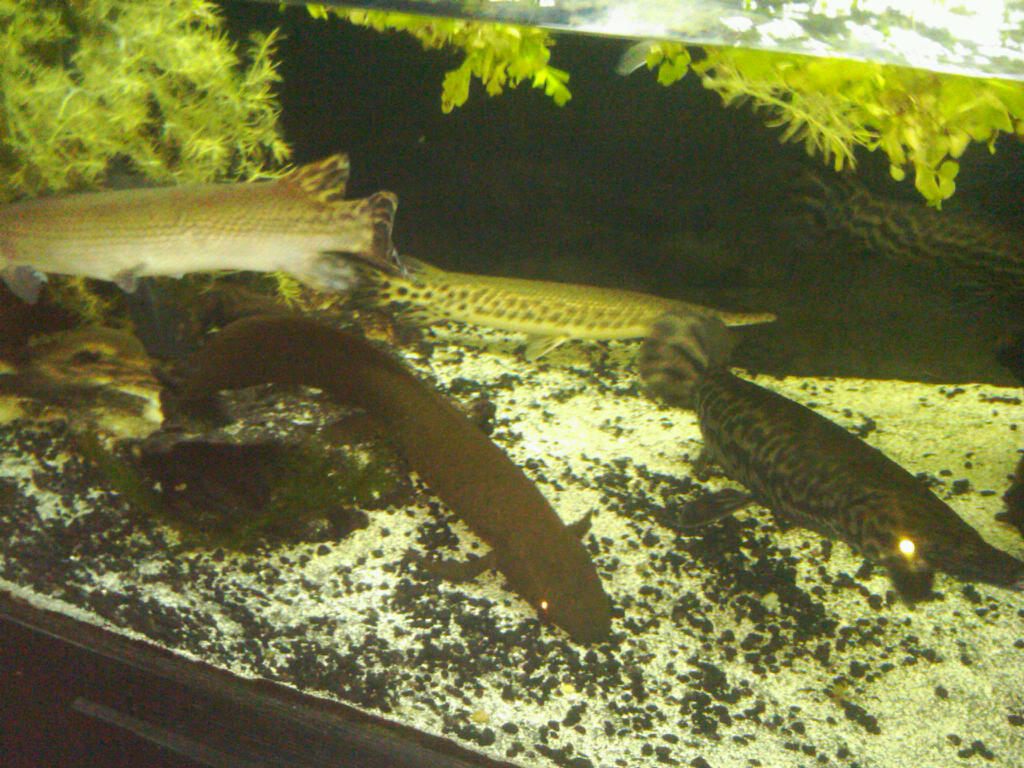
When living in Ann Arbor with the infamous Gar expert Dr. Solomon R. David during my Masters Degree at the University of Michigan Solomon we lived with ALL the subspecies of Gar. Did I mention there was also an Australian lungfish, an African lungfish, an American eel and a bowfin, all in tanks in the same apartment we lived in? More rare species in tanks in that apartment than individual humans. You can see the Australian lungfish in the foreground, and some of the Gar. Neat experience.
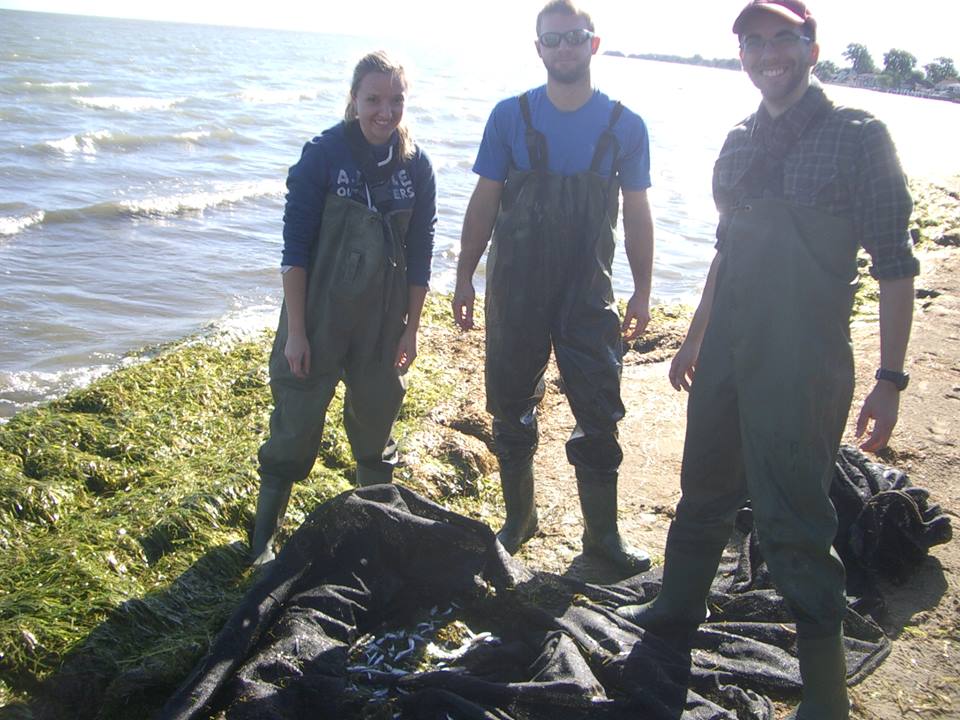
Three of my cohorts during field sampling for grad-school at the Great Lakes Institute for Environmental Research. Felicia, Harri, Kyle (from left) and myself (I took the photo) used a beach seine to sample invasive and native fishes such as shad, goby, darters, and perches. Lake St. Clair is considered by many to be the sixth Laurentian Great Lake and is productive and shallow. The lake receives water from the St Clair River draining Lake Huron and itself drains into the Detroit River. The Detroit River then empties into Lake Erie.
Beautiful smallmouth bass (Micropterus dolmieu). Caught hook and line and released unharmed. On the Huron River very near Ann Arbor Michigan and the University of Michigan. One of the toughest fishes out there. pound for pound. This species has benefited in some ways from the proliferation of the invasive species round goby across the Great Lakes region as it has become an often consumed and even sometimes preferred prey for the smallmouth bass.
Molecular lab work at GLIER. Reagents, PCRs, DNA extractions, DNA digestions, biological samples, control samples, buffers…..all this and more at the Great Lakes Institute for Environmental Research at the University of Windsor. Each plastic plate covered in foil contained up to 96 individual reactions = many reactions in said freezer!